
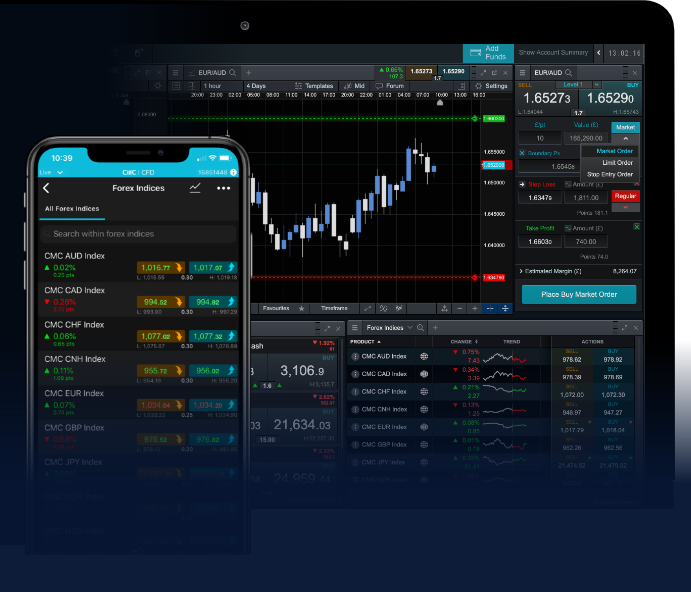
Forex trading can be an exciting venture that opens up a world of financial opportunities. However, diving headfirst into the market without proper knowledge can lead to significant losses. For anyone considering this avenue, the first step is to understand the basics. One essential resource is how to start forex trading Forex Brokers in Argentina, which can help you find the right broker for your trading needs.
Forex, or foreign exchange, involves trading currencies in the global market. Unlike stock trading, which takes place on exchanges, Forex trading happens over-the-counter, meaning trading is conducted directly between parties, often through brokers. The Forex market operates 24 hours a day, five days a week, allowing traders to engage in the market at any time.
In Forex trading, currencies are traded in pairs, such as EUR/USD (Euro/US Dollar) or USD/JPY (US Dollar/Japanese Yen). The first currency in the pair is called the base currency, while the second one is the quote currency. The exchange rate indicates how much of the quote currency is needed to purchase one unit of the base currency.
Before risking any real money, it’s crucial to educate yourself about the Forex market. There are numerous resources available, including books, online courses, webinars, and blogs. Focus on understanding the basic concepts, terminology, and the factors that influence currency movements.
Selecting the right Forex broker is critical to your trading success. Look for a broker that is regulated by a reputable authority, offers a user-friendly trading platform, and provides various educational resources. Additionally, check their trading fees, spreads, and customer service options.
Once you have chosen a broker, you will need to open a trading account. Brokers typically offer different types of accounts, including demo accounts for practice and live accounts for real trading. Start with a demo account to familiarize yourself with the platform and trading strategies without risking your capital.

Market analysis will be essential for making informed trading decisions. There are two primary types of analysis: fundamental and technical. Fundamental analysis involves examining economic indicators, interest rates, and geopolitical events to forecast currency movements. In contrast, technical analysis utilizes charts and indicators to identify trends and entry and exit points.
Having a trading strategy is crucial for consistent success in Forex trading. Your strategy should outline your trading goals, risk tolerance, and the methods you’ll use for entering and exiting trades. Consider factors such as the time frame for your trades, position sizing, and risk management techniques.
Forex trading can be highly volatile, and it’s essential to protect your capital. Use risk management techniques such as setting stop-loss orders to limit potential losses and never risking more than a small percentage of your account balance on a single trade. This approach can help prevent significant financial damage.
Once you feel confident in your knowledge and skills, it’s time to start trading. Begin with small amounts, and gradually increase your exposure as you gain experience. Keep a trading journal to track your trades, analyze your performance, and learn from your mistakes.
As a beginner, it’s easy to fall into common pitfalls. Here are a few mistakes to avoid:
The Forex market is affected by numerous factors, including economic news releases, political events, and market sentiment. Stay informed by following financial news and economic calendars to anticipate potential market movements.
Starting your journey in Forex trading requires education, a reliable broker, and a solid strategy. By taking the time to learn the ins and outs of the market and practicing risk management, you can increase your chances of success. Remember that trading requires patience and discipline. Stay committed to your education, and don’t rush into trading with real money until you feel ready.

Constant innovation towards solutions of mankind's problems.
Copyright © 2022 Vivek Shastri. All Right Reserved.
Web Designed by Latitude Creations and Developed by Latitude Technolabs
 9825215407


No Comments